Academic Project

2021

Helping college students build more consistent fitness habits

Designing a social fitness app that makes staying active more motivating and engaging.

Role

Design, UX Research

Timeline

08/2021 - 12/2021

Tools

Figma, FigJam, Miro

Team

5 Designers

Role

Design, UX Research

Timeline

08/2021 - 12/2021

Platform

Mobile app

Team

5 Designers

Overview

Helping students build more consistent fitness habits

College students often struggle to maintain regular exercise alongside demanding academic and social schedules. PeerPace is a social fitness app designed to make staying active more motivating and engaging through community, shared activity, and personalized ways to exercise.

Research

Understanding what keeps students from staying active

We conducted interviews with college students to understand their exercise habits, motivations, and the barriers that made it difficult to stay consistently active.

5 Participants

5 Participants

3 Participants

Semi-structured

Semi-structured

Semi-structured

4 Recurring Themes

4 Recurring Themes

4 Recurring Themes

What we heard

โ€œ

Since I don't have a stable workout partner, I just study instead.

P1
Participant 1
Student
โ€œ

"I do have difficulty having a routine because working out is not a priority compared to school or my social life."

P2
Particpant 2
Student
โ€œ

"Having another person there, having a fixed schedule, and having it as a social interaction would help motivate me."

P3
Particpant 3
Student
โ€œ

"Friends or other people motivating me would help me stay motivated and consistent."

P4
Participant 4
Student
โ€œ

"Having someone hold you accountable and a fixed schedule has been the biggest thing for me."

P5
Participant 5
Student
โ€œ

"Seeing yourself make progress is the biggest indicator."

P6
Participant 6
Student
โ€œ

"Seeing my friends and family really get into exercising and seeing them feel happier and healthier from it really motivates me."

P7
Participant 7
Student
โ€œ

Since I don't have a stable workout partner, I just study instead.

P1
Participant 1
Student
โ€œ

"I do have difficulty having a routine because working out is not a priority compared to school or my social life."

P2
Particpant 2
Student
โ€œ

"Having another person there, having a fixed schedule, and having it as a social interaction would help motivate me."

P3
Particpant 3
Student
โ€œ

"Friends or other people motivating me would help me stay motivated and consistent."

P4
Participant 4
Student
โ€œ

"Having someone hold you accountable and a fixed schedule has been the biggest thing for me."

P5
Participant 5
Student
โ€œ

"Seeing yourself make progress is the biggest indicator."

P6
Participant 6
Student
โ€œ

"Seeing my friends and family really get into exercising and seeing them feel happier and healthier from it really motivates me."

P7
Participant 7
Student

Key insights

School competed with exercise.

School competed with exercise.

Starting was often the biggest barrier.

Starting was often the biggest barrier.

Friends created motivation and accountability.

Friends created motivation and accountability.

Fitness needed to fit different routines.

Fitness needed to fit different routines.

Problem

Students wanted to stay active, but struggled with consistency

Our research revealed that motivation alone wasn't enough. Busy schedules, fluctuating motivation, and limited social accountability made it difficult for students to build consistent fitness routines.

Busy schedules

Exercise competed with school and other responsibilities.

Inconsistent motivation

Students struggled to stay motivated without structure.

Limited accountability

Working out alone made it easier to skip or abandon routines.

Difficulty maintaining consistent fitness habits

Busy schedules

Exercise competed with school and other responsibilities.

Inconsistent motivation

Students struggled to stay motivated without structure.

Limited accountability

Working out alone made it easier to skip or abandon routines.

Difficulty maintaining consistent fitness habits

Together, these barriers shaped our design challenge:

The Challenge

How might we help college students stay consistently active by making fitness more motivating and socially engaging?

How might we help college students stay consistently active by making fitness more motivating and socially engaging?

Ideation

Exploring potential solutions

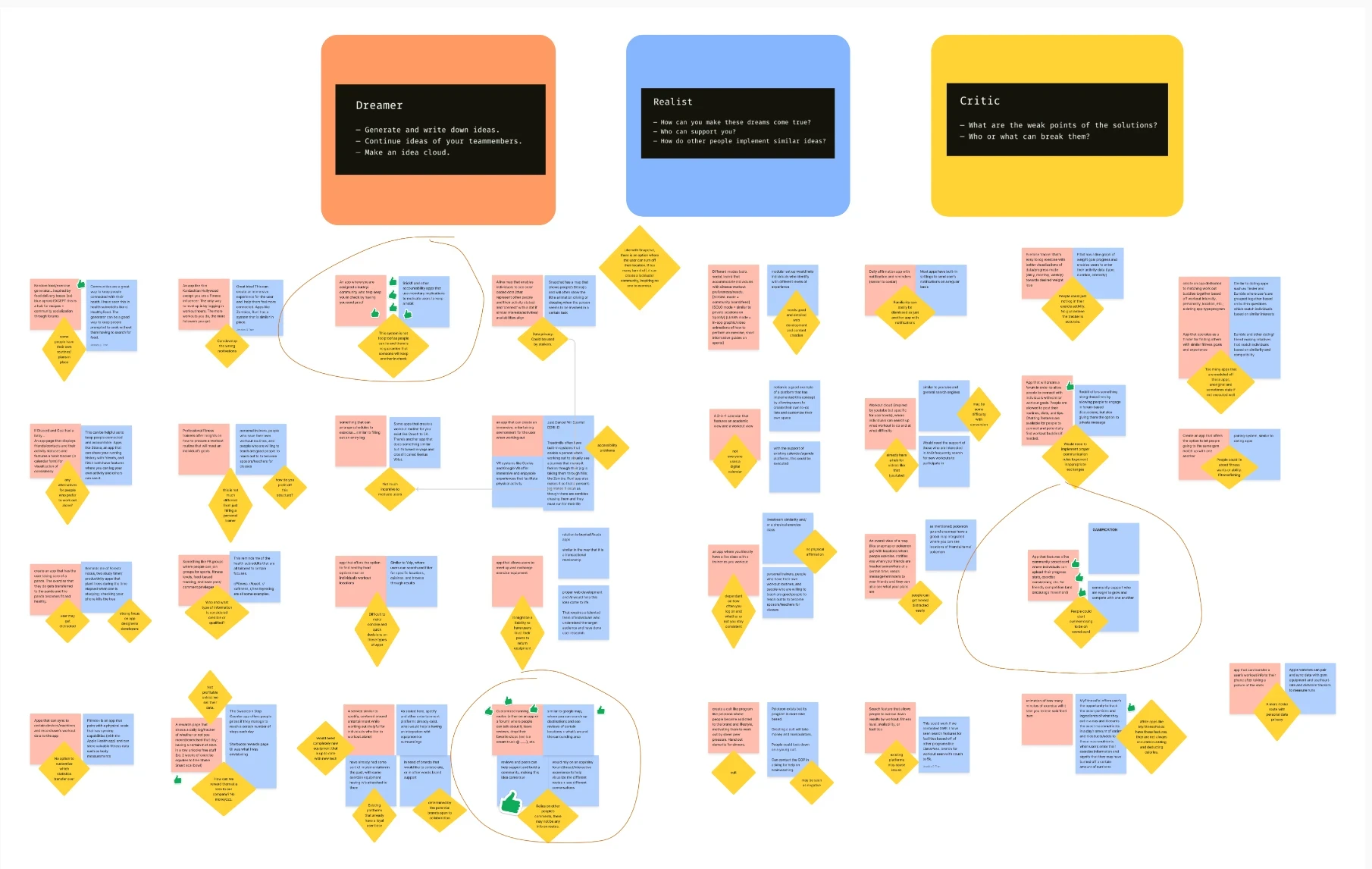
With the core barriers identified, our team brainstormed ways to make fitness easier to maintain, more motivating, and more socially engaging.

Brainstorming

Exploring ideas from different perspectives

We generated ideas around accountability, social connection, motivation, and flexible ways to stay active.
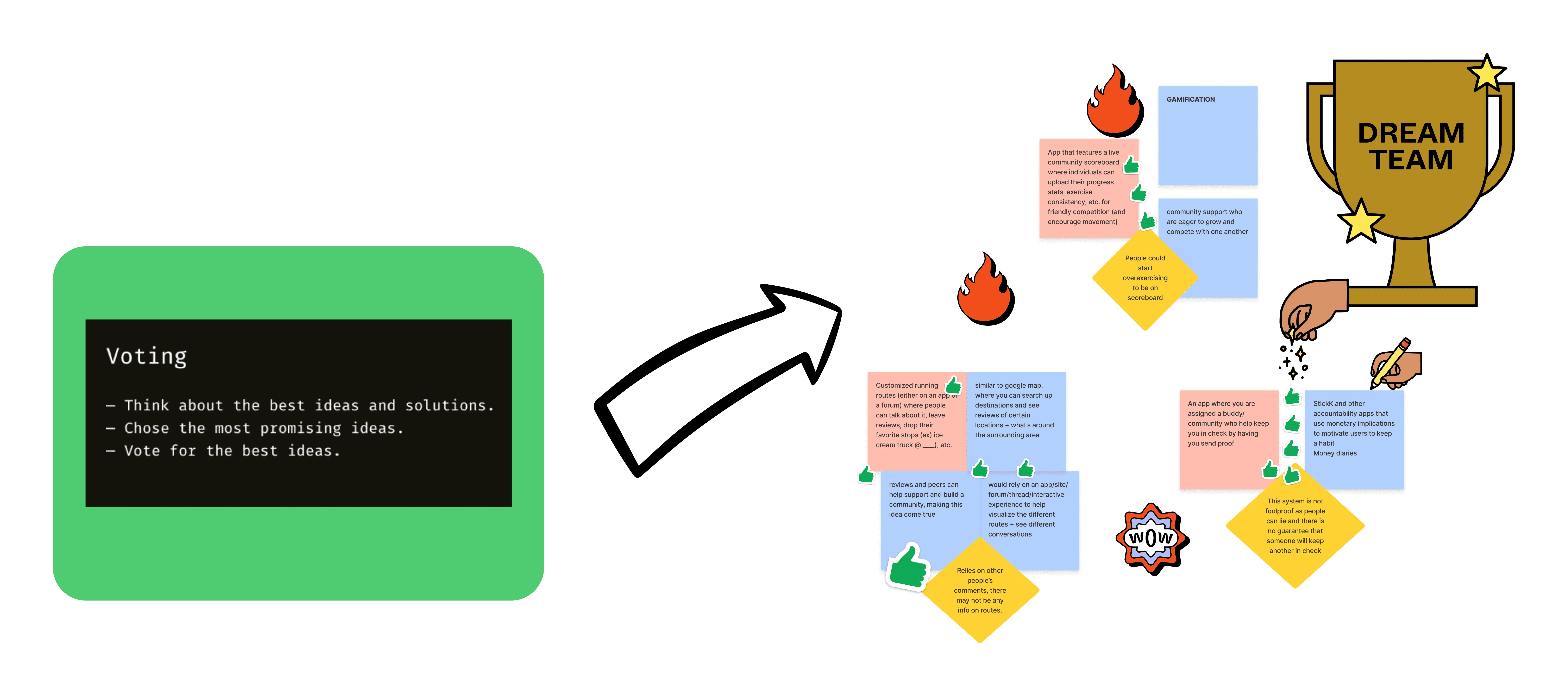
Prioritization

Narrowing ideas into opportunities

We prioritized concepts that addressed multiple research insights while fitting naturally into students' existing routines.
Concept Direction

Shaping the direction for PeerPace

Our prioritized ideas converged around one direction: making fitness easier to sustain through social connection, motivation, and flexible ways to stay active.

Flexible Exploration

Workout tracking, routes, and campus discoveries

Ongoing Motivation

Challenges, achievements, and leaderboards

Social Accountability

Small groups, friends, and shared activity

PeerPace

A social fitness app experience designed to make staying active feel shared rather than individual.

Flexible Exploration

Workout tracking, routes, and campus discoveries

Ongoing Motivation

Challenges, achievements, and leaderboards

Social Accountability

Small groups, friends, and shared activity

PeerPace

This led us to PeerPace: a social fitness experience designed to make staying active feel shared rather than individual.

Design Process

From concept to interface

Bringing the PeerPace experience to life.

Storyboarding

Imagining PeerPace in students' everyday lives

We explored how students might use PeerPace in real-life situations, using storyboards to visualize opportunities for social motivation, accountability, and engagement.
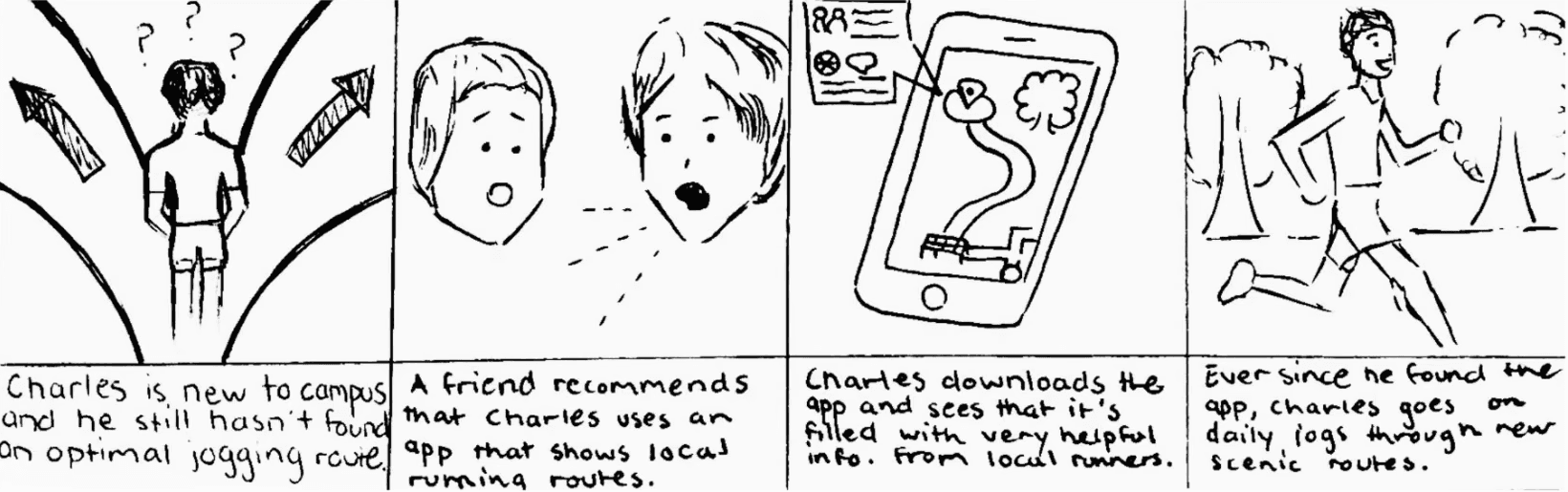
SCENARIO 01 โ€” EXPLORATION

Discovering new places to run

A student unfamiliar with campus uses recommended running routes to discover new places and build a regular exercise habit.

Design Opportunity

Help students discover accessible, engaging routes that fit their surroundings.

SCENARIO 01 โ€” EXPLORATION

Discovering new places to run

A student unfamiliar with campus uses recommended running routes to discover new places and build a regular exercise habit.

Usability Gap

Help students discover accessible, engaging routes that fit their surroundings.

What we observed

Participants were relatively unfamiliar with the Experiences section and had mixed expectations about what it offered. Some struggled to find the section at all.

SCENARIO 01 โ€” EXPLORATION

Discovering new places to run

A student unfamiliar with campus uses recommended running routes to discover new places and build a regular exercise habit.

Usability Gap

Help students discover accessible, engaging routes that fit their surroundings.

What we observed

Participants were relatively unfamiliar with the Experiences section and had mixed expectations about what it offered. Some struggled to find the section at all.

SCENARIO 02 โ€” SOCIAL MOTIVATION

Staying motivated through friendly competition

A student tracks her running progress, connects with friends, and uses a community scoreboard to stay motivated.

Design Opportunity

Reinforce consistency through shared progress, encouragement, and friendly competition.

SCENARIO 02 โ€” SOCIAL MOTIVATION

Staying motivated through friendly competition

A student tracks her running progress, connects with friends, and uses a community scoreboard to stay motivated.

Usability Gap

Reinforce consistency through shared progress, encouragement, and friendly competition.

What we observed

Participants were relatively unfamiliar with the Experiences section and had mixed expectations about what it offered. Some struggled to find the section at all.

SCENARIO 02 โ€” SOCIAL MOTIVATION

Staying motivated through friendly competition

A student tracks her running progress, connects with friends, and uses a community scoreboard to stay motivated.

Usability Gap

Reinforce consistency through shared progress, encouragement, and friendly competition.

What we observed

Participants were relatively unfamiliar with the Experiences section and had mixed expectations about what it offered. Some struggled to find the section at all.

Wireframing

Turning concepts into interface layouts

Building on our storyboards, we mapped how students would navigate PeerPace and translated key interactions into early wireframes to establish the app's structure.

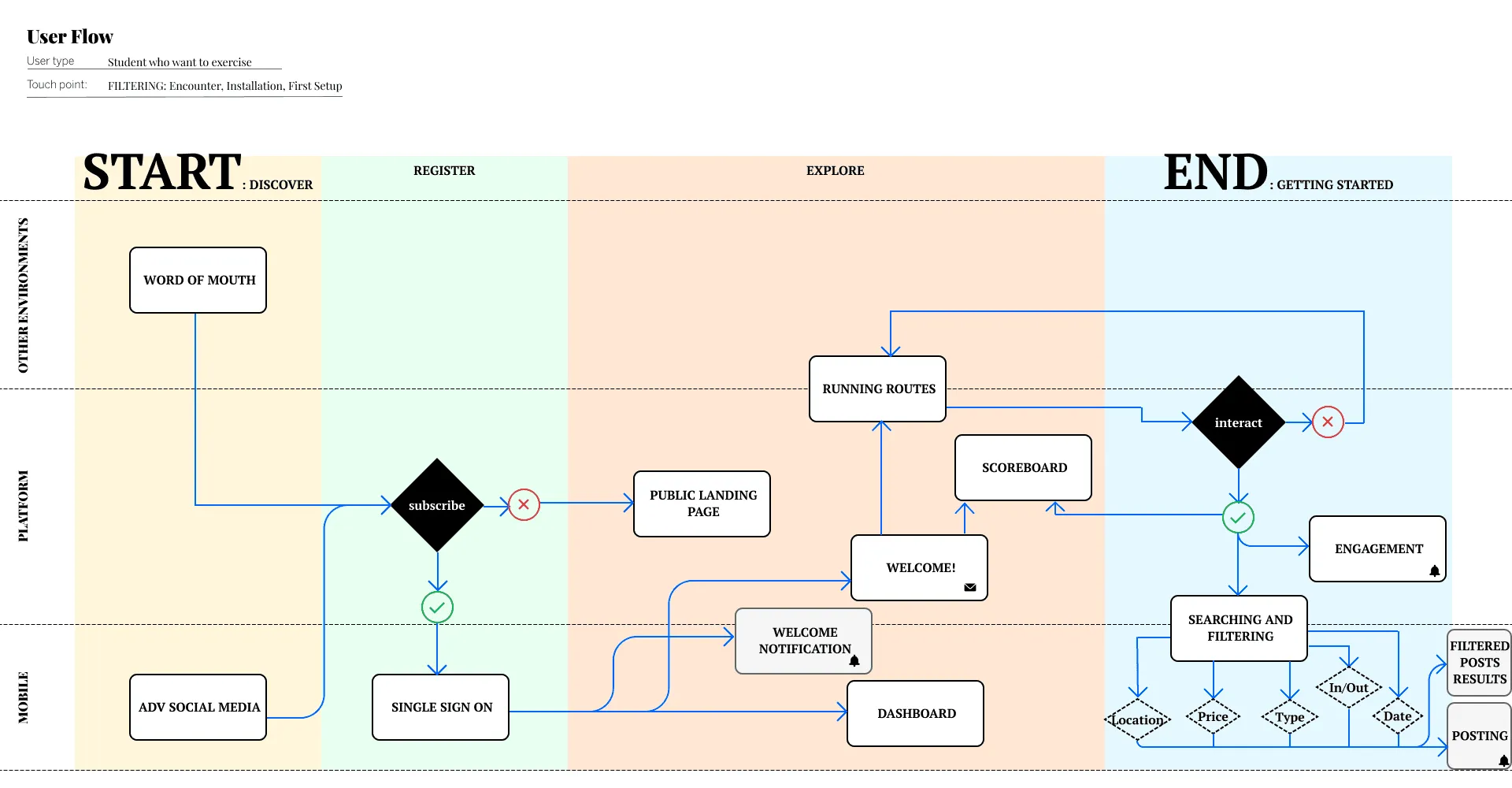
Mapping the user journey

We outlined the paths students could take from discovering PeerPace to exploring its features, helping us define the app's navigation and core interactions.
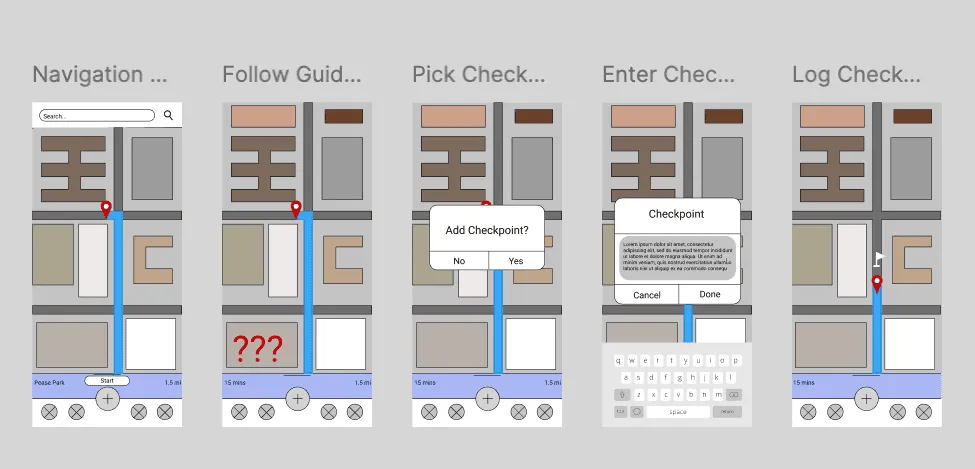
Exploring early interface layouts

With the user flow established, we created low-fidelity wireframes to explore how students could navigate running routes and interact with checkpoints.
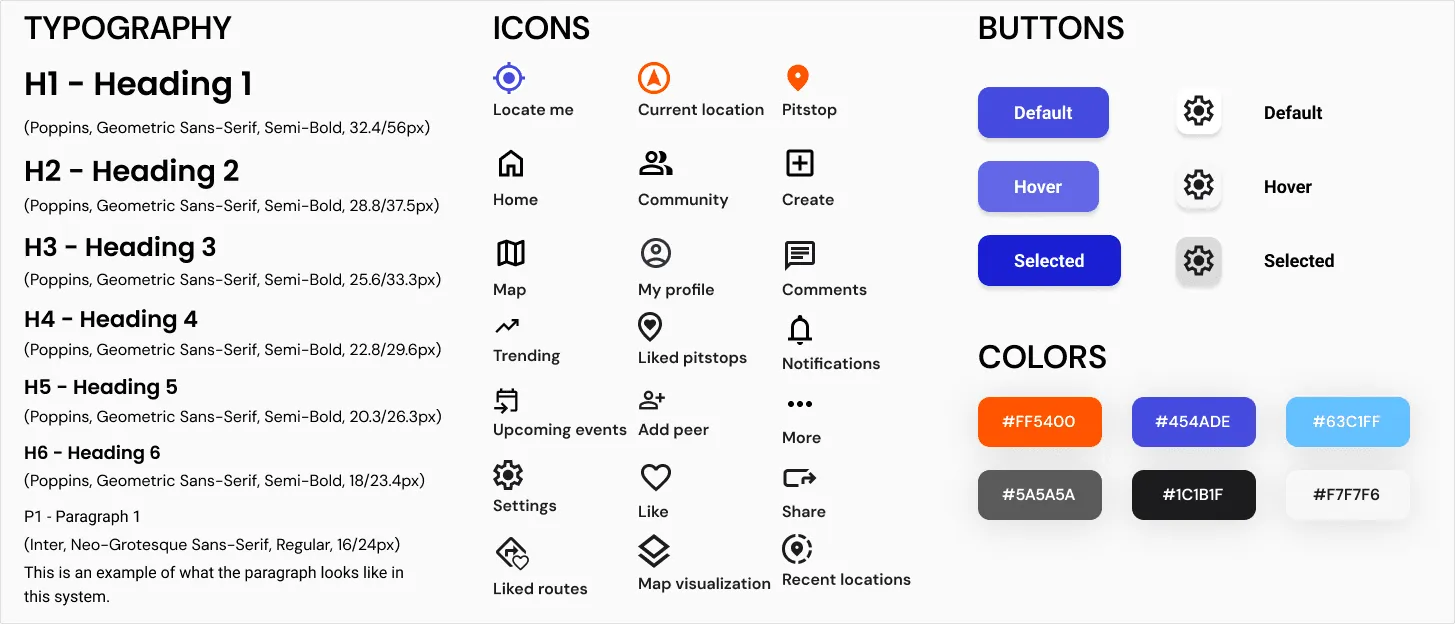
Style Guide

Establishing PeerPace's visual identity

We developed a consistent visual language through typography, color, and reusable interface elements to bring cohesion to PeerPace's experience.
Solution

Solution

Making fitness a shared experience
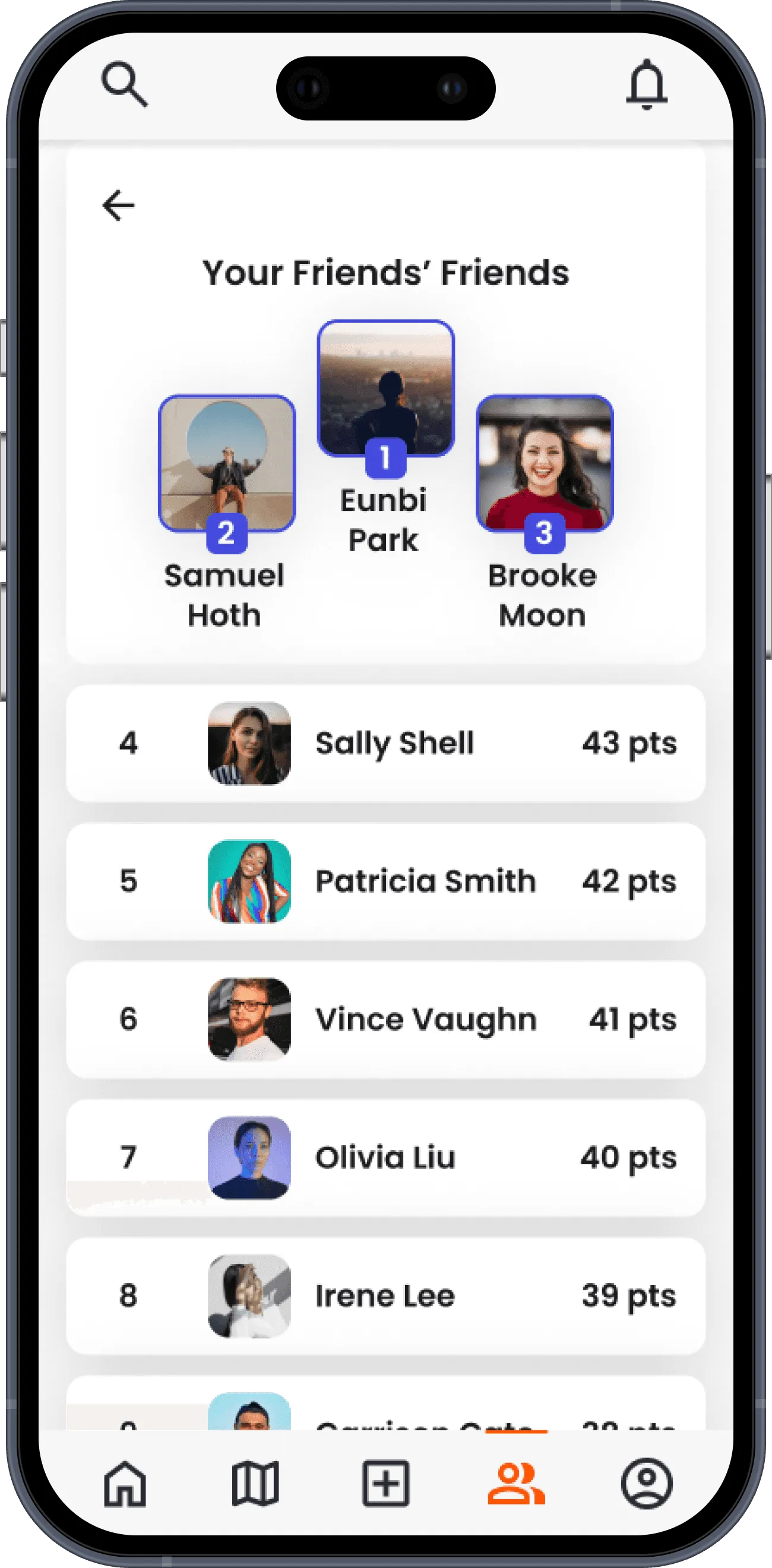
PeerPace brings together social accountability, activity tracking, and campus exploration to help college students stay motivated and build more consistent fitness habits.

PeerPace brings together social accountability, activity tracking, and campus exploration to help college students stay motivated and build more consistent fitness habits.

Home Page

Home Page

Map Page

Map Page

Community Page

Community Page

Leaderboard Page

Leaderboard Page

01 โ€” SOCIAL MOTIVATION

01 โ€” SOCIAL MOTIVATION

Making motivation visible through friends

Making motivation visible through friends

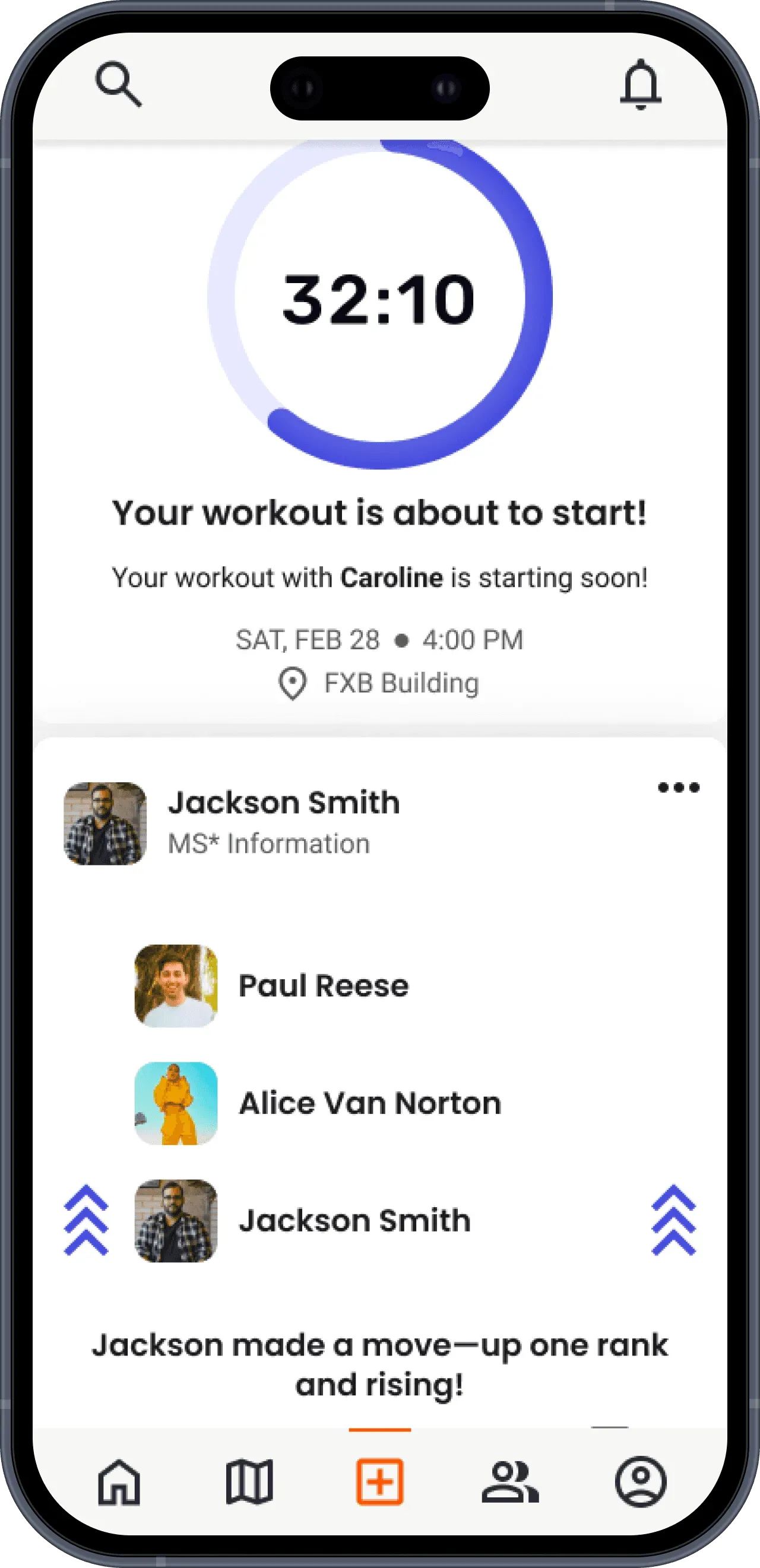
From workout reminders to shared achievements, PeerPace helps students stay connected to their friends' fitness journeys and celebrate progress together.

From workout reminders to shared achievements, PeerPace helps students stay connected to their friendsโ€™ fitness journeys and celebrate progress together.

Research Insight

Research Insight

Students struggled to maintain motivation without encouragement and accountability from others.

Students struggled to maintain motivation without encouragement and accountability from others.

Workout Reminders

Workout Reminders

Shared Progress

Shared Progress

Social Posts

Social Posts

Design Response

Design Response

PeerPace makes fitness progress visible through workout reminders, shared activity, and social encouragement, helping students build accountability into their routines.

PeerPace makes fitness progress visible through workout reminders, shared activity, and social encouragement, helping students build accountability into their routines.

02 โ€” CAMPUS EXPLORATION

02 โ€” CAMPUS EXPLORATION

Turning everyday movement into discovery

Turning everyday movement into discovery

Turning everyday movement into discovery

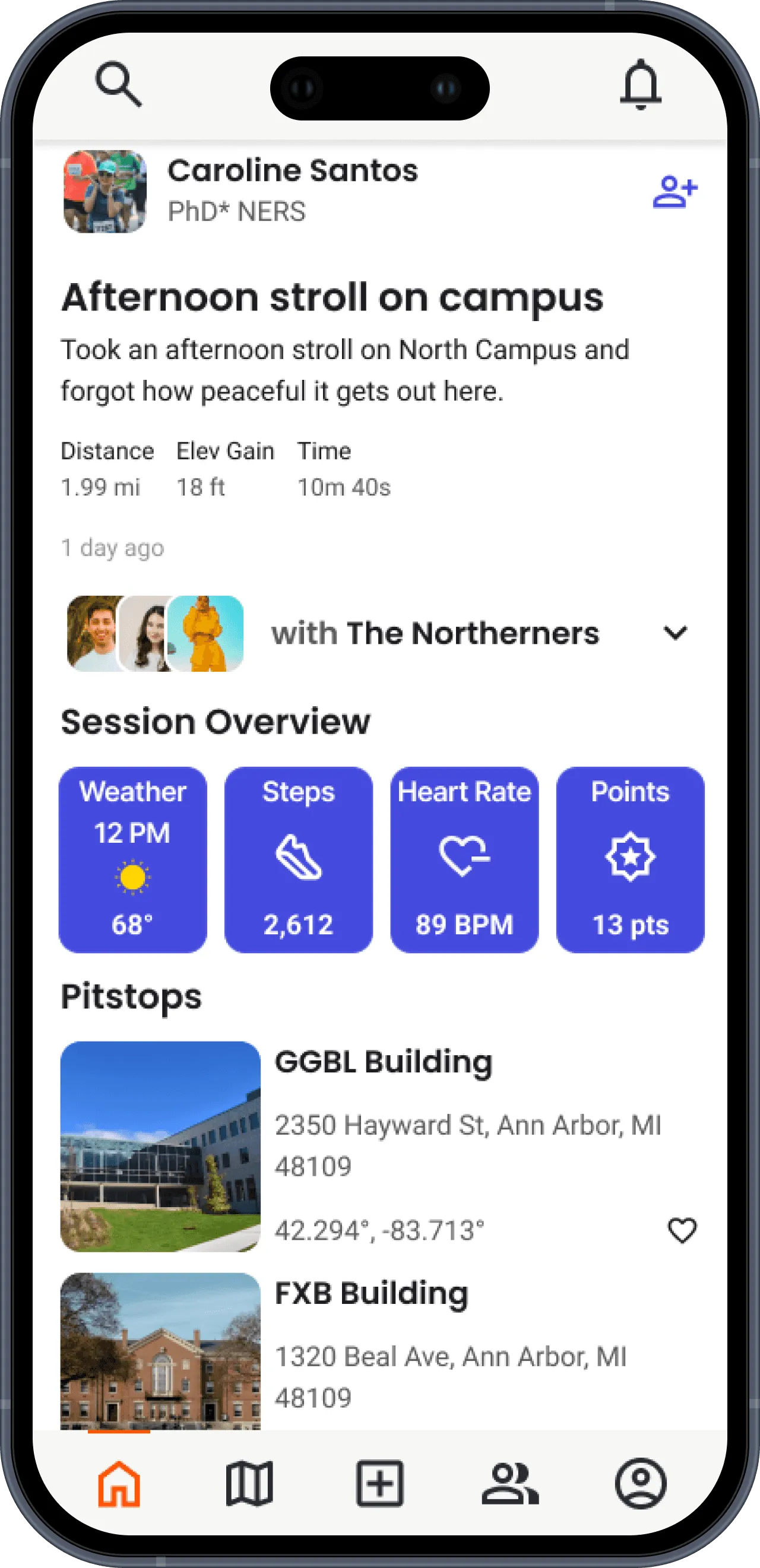
PeerPace encourages students to explore their surroundings through curated running routes, campus landmarks, and hidden-gem checkpoints.

PeerPace encourages students to explore their surroundings through curated running routes, campus landmarks, and hidden-gem checkpoints.

Research Insight

Research Insight

Students needed fitness activities that felt engaging and could fit naturally into their daily routines.

Students needed fitness activities that felt engaging and could fit naturally into their daily routines.

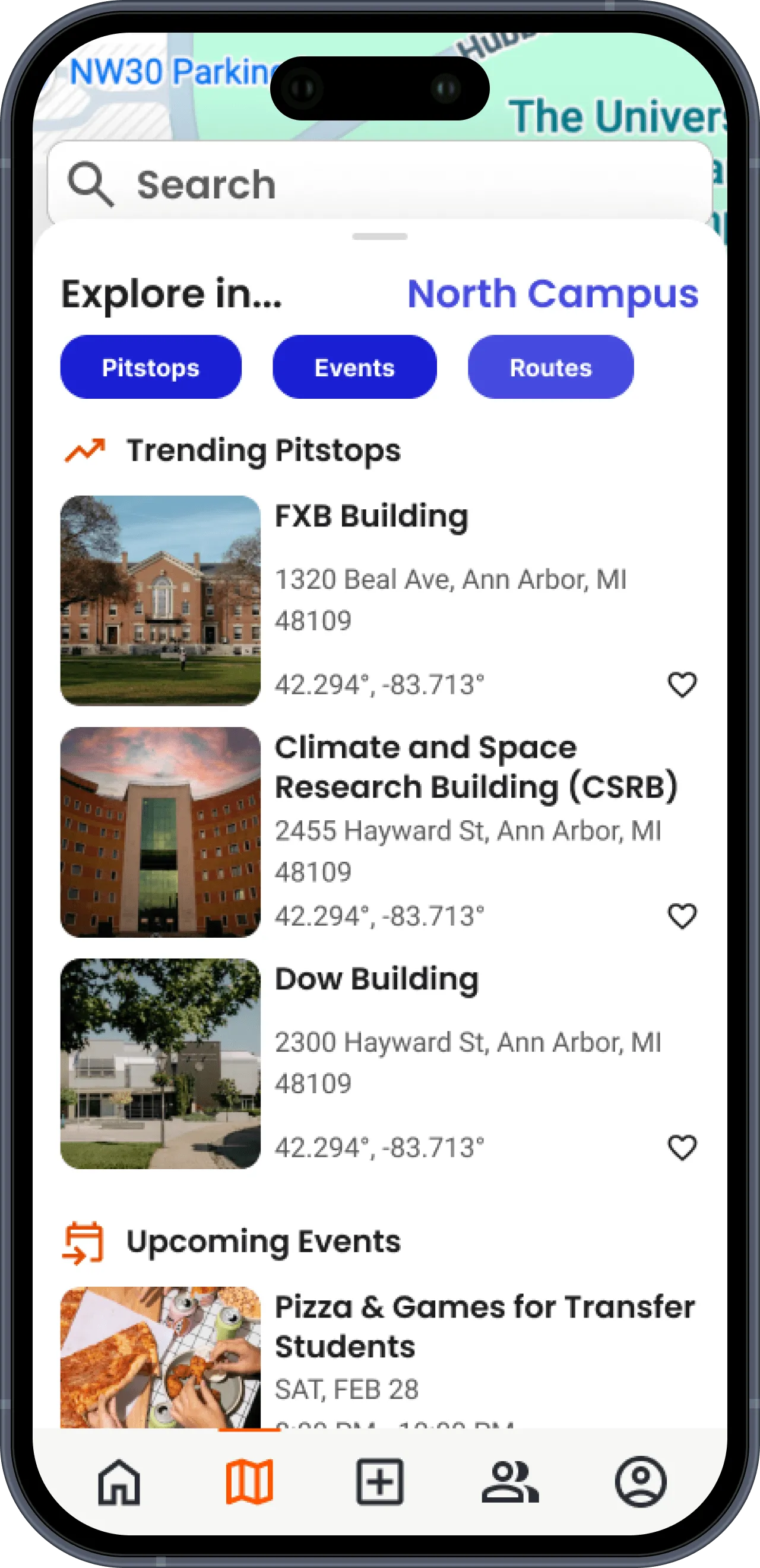
Explore Nearby

Explore Nearby

Share Routes

Share Routes

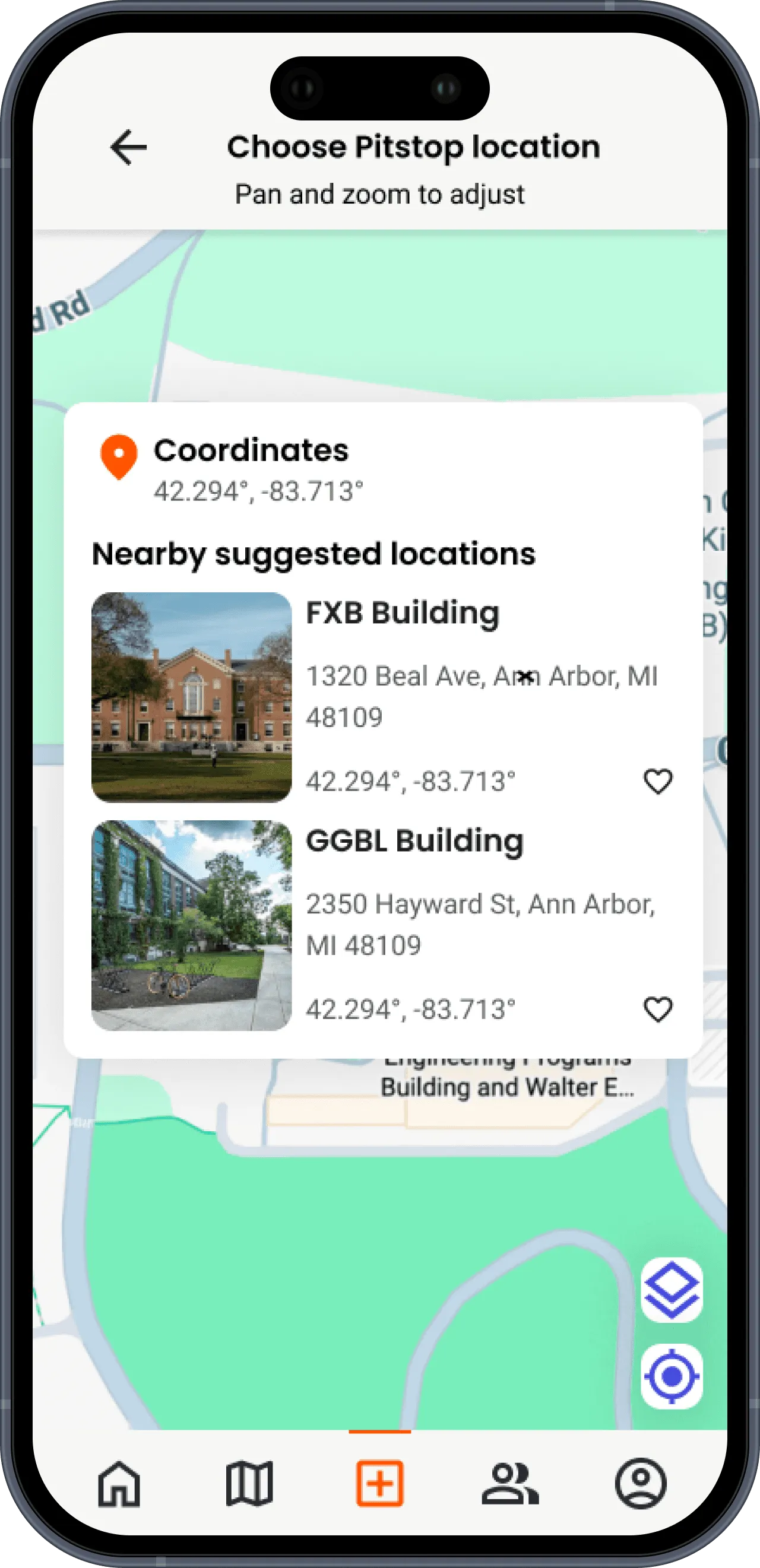
Share Pitstops

Share Pitstops

Design Response

Design Response

Integrate route discovery and location-based exploration into the fitness experience, giving students new ways to stay active while discovering their campus.

Integrate route discovery and location-based exploration into the fitness experience, giving students new ways to stay active while discovering their campus.

03 โ€” COMMUNITY & ACCOUNTABILITY

03 โ€” COMMUNITY & ACCOUNTABILITY

Making fitness a shared experience
Making fitness a shared experience
PeerPace brings students together through shared activities, group challenges, and friendly competition to make fitness feel more social and engaging.

PeerPace brings students together through shared activities, group challenges, and friendly competition to make fitness feel more social and engaging.

Research Insight

Research Insight

Students found it easier to stay motivated when fitness involved social connections, shared activities, and encouragement from peers.

Students found it easier to stay motivated when fitness involved social connections, shared activities, and encouragement from peers.

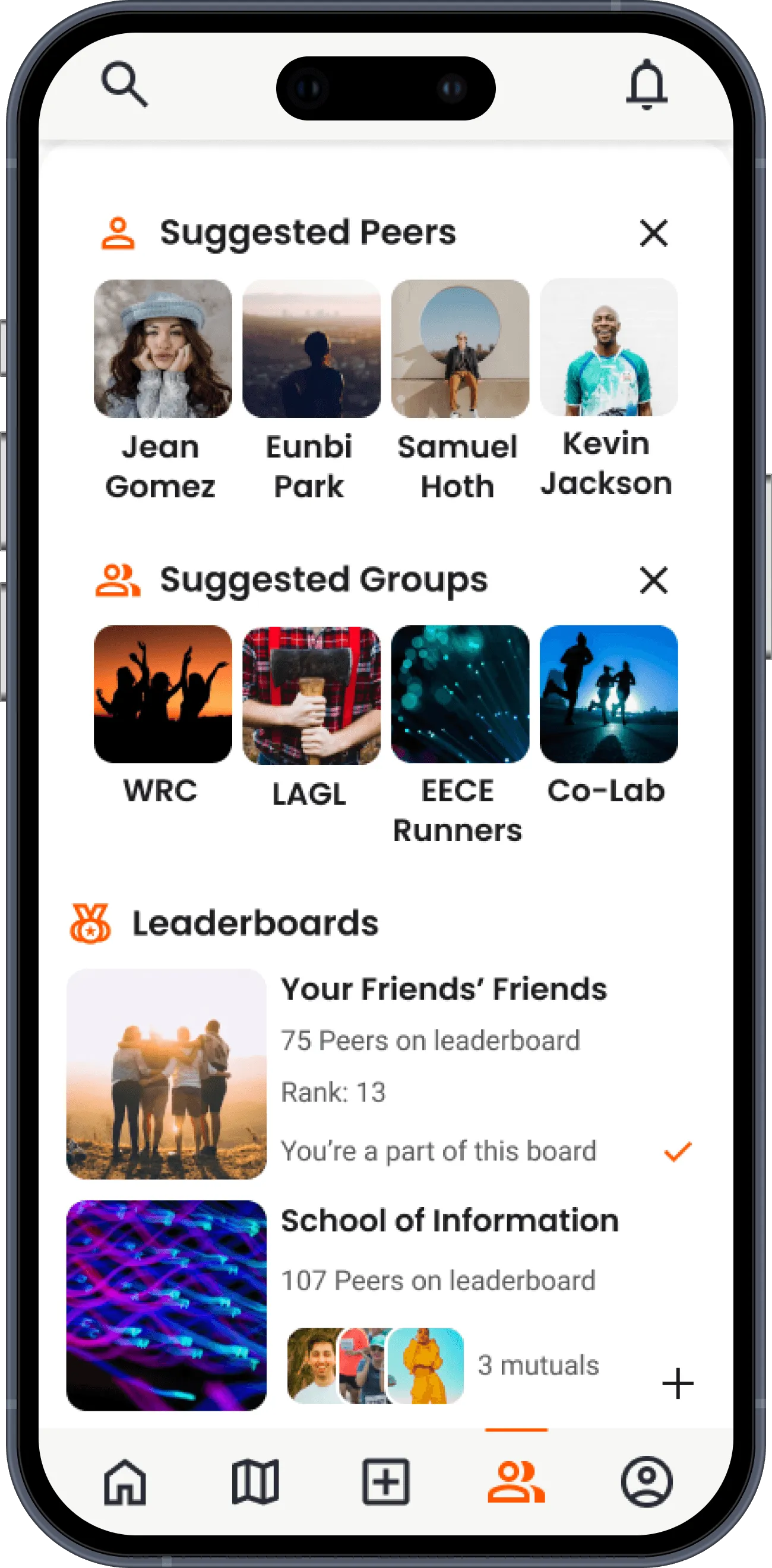
Discover Peers & Groups

Discover Peers & Groups

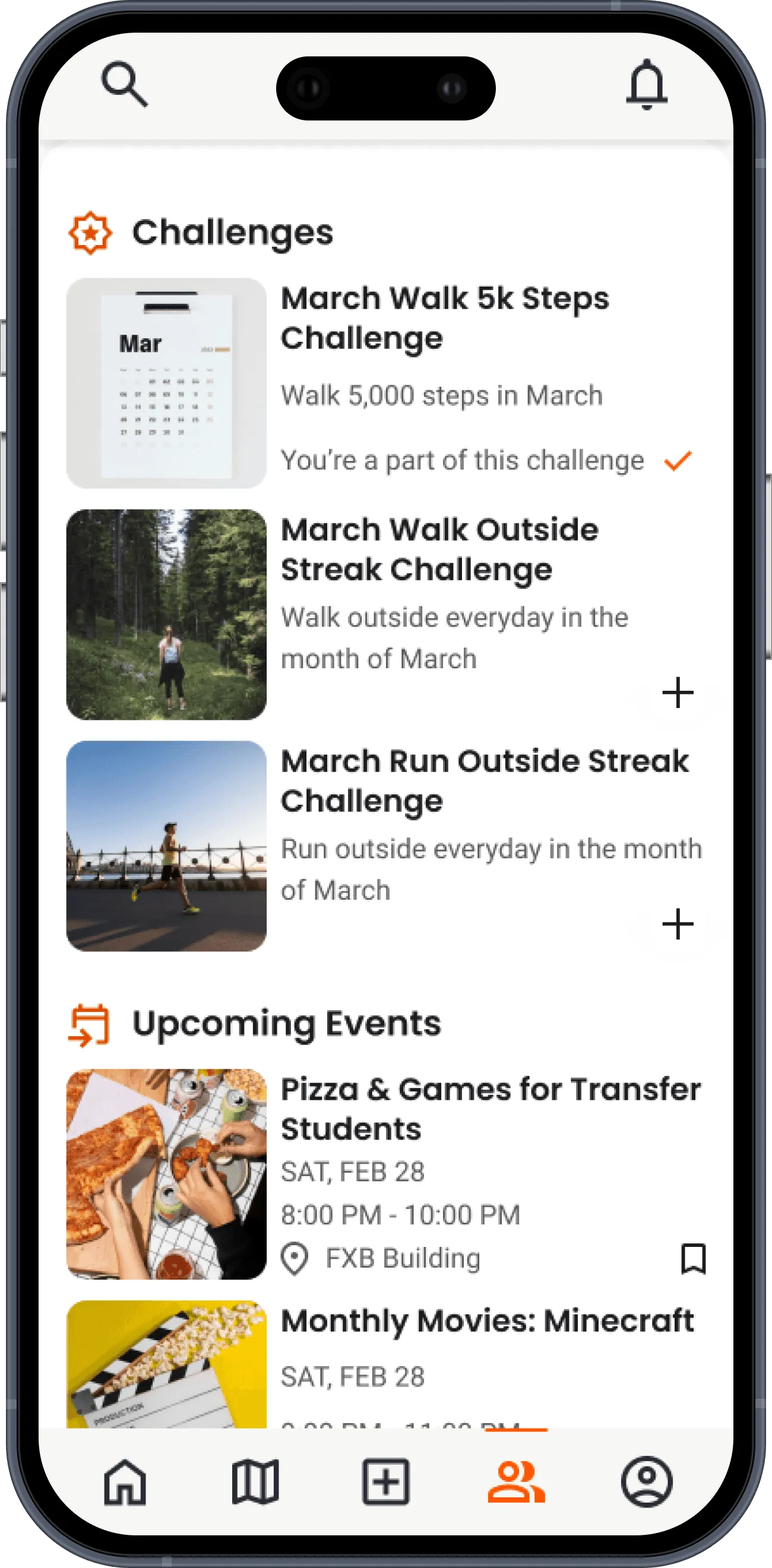
Join Challenges

Join Challenges

Track Leaderboard Ranks

Track Leaderboard Ranks

Design Response

Design Response

PeerPace helps students discover peers and groups, participate in shared challenges, and track leaderboard progress to build motivation through community.

PeerPace helps students discover peers and groups, participate in shared challenges, and track leaderboard progress to build motivation through community.

Learnings

Taking these lessons forward

Embrace iteration and change

Design decisions evolve as new insights emerge. I learned to remain flexible, revisit assumptions, and treat iteration as an essential part of the process rather than a setback.

Embrace iteration and change

Design decisions evolve as new insights emerge. I learned to remain flexible, revisit assumptions, and treat iteration as an essential part of the process rather than a setback.

Invest in the process before designing

Spending time understanding users, defining the problem, and exploring ideas gave our team a clearer direction and helped us make more intentional design decisions.

Invest in the process before designing

Spending time understanding users, defining the problem, and exploring ideas gave our team a clearer direction and helped us make more intentional design decisions.

Evaluate ideas before committing

I learned the value of critically assessing concepts for usability and feasibility before moving into high-fidelity design, helping reduce unnecessary revisions later.

Evaluate ideas before committing

I learned the value of critically assessing concepts for usability and feasibility before moving into high-fidelity design, helping reduce unnecessary revisions later.